By: Bishop Merton Clark There is a moment in every major storm when the truth about a structure is finally revealed. Not when the blueprints are drawn, not when the foundation is poured, and not when the walls go up — but when the water rises. When floodwaters surge through neighborhoods, when mudslides swallow hillsides, and …

By: Bishop Merton Clark
There is a moment in every major storm when the truth about a structure is finally revealed. Not when the blueprints are drawn, not when the foundation is poured, and not when the walls go up — but when the water rises. When floodwaters surge through neighborhoods, when mudslides swallow hillsides, and when entire communities are left standing in shock, the question that surfaces is always the same: why was this allowed to happen? The honest answer, more often than not, is infrastructure. Or rather, the lack of it.
This is not just a conversation about civil engineering. It is a conversation about the kingdom of God and the kind of life that can actually withstand the floods that come for every one of us.
You Are a Citizen of Something Greater
The Apostle Paul, writing to the church at Corinth in 1 Corinthians 16, issued four direct mandates: be on guard, stand firm in faith, be courageous, and be strong. These were not suggestions for the spiritually elite. They were commands for every believer — a blueprint for kingdom living that demands intentionality, discipline, and a deep understanding of who you are and what you have access to as a citizen of God’s kingdom.
Citizenship carries weight. When you hold the right passport, certain lines do not apply to you. Certain privileges open up that others simply do not have access to. The tragedy is that many believers are standing in lines they were never meant to stand in, enduring things they were never meant to endure, simply because they do not know what their citizenship affords them. They have never studied the laws of the kingdom. They have never learned what is available to them through faith, prayer, and obedience.
When nations and communities come to a new land, the wisest among them do not look for a party. They look for the law. They study the statutes. They learn the system. They find the loopholes and the entitlements. They access what is available. And while others are distracted, they are building. The same principle applies to the kingdom of God. There are benefits, protections, and provisions available to every citizen of the kingdom — but you have to know them, seek them, and build your life on them.
Infrastructure Before the Flood
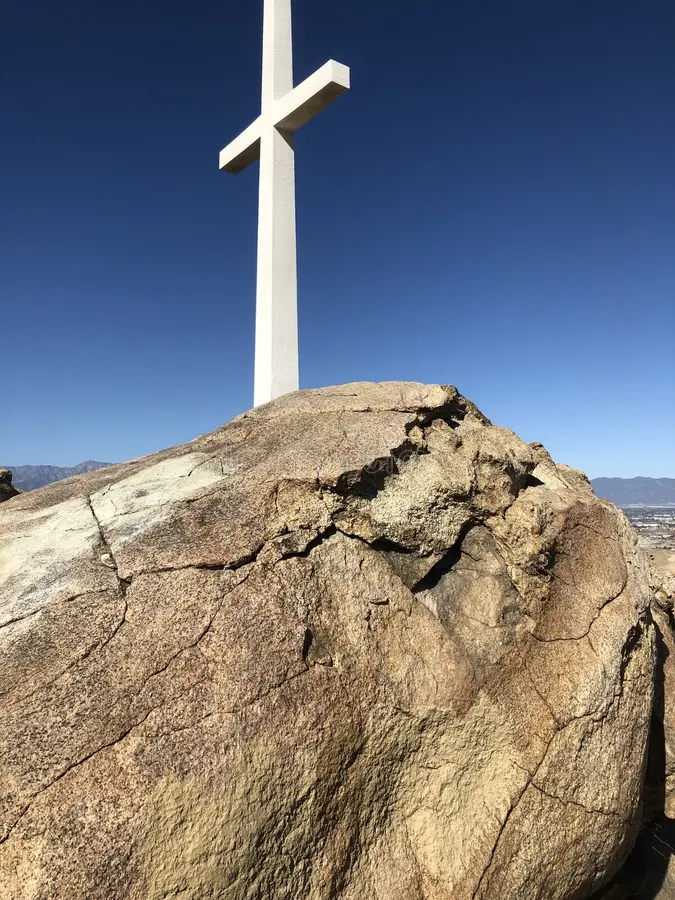
Jesus made it plain in Matthew 7. The man who hears his words and does them is like a wise man who builds his house on the rock. When the rains descend, when the floods come, when the winds beat against that house, it stands. Not because the storm was not real, but because the foundation was right. The man who hears and does not act builds on sand — and when the same storm arrives, everything collapses.
Floods do not create weakness. They reveal it. The water simply exposes what was already there. This is true of cities, of families, of churches, and of individual lives. When adversity rises, when controversy resurfaces, when grief or financial pressure or relational chaos begins to flood the landscape of your life, the question is not whether the storm will come. The question is what you built on before it arrived.
Building proper infrastructure means thinking ahead. It means asking hard questions before the crisis: How are things going to flow? Where will the water go when it comes? Is the foundation level? Are there depressions in the ground that need to be filled before anything is built on top of them? In the life of a believer, these questions look like this: Is my prayer life consistent? Is my faith built on the word of God or on emotion? Am I standing under the covering that God has placed over me, or have I stepped out from under it because I wanted my own shade?
The Eight Pillars of Kingdom Life
There are eight core disciplines that form the infrastructure of a genuine kingdom life. The first four are foundational: prayer, praise, worship, and the study of God’s word. These are not optional spiritual accessories. They are load-bearing walls. Remove any one of them and the structure weakens. Neglect all of them and the house will not survive what is coming.
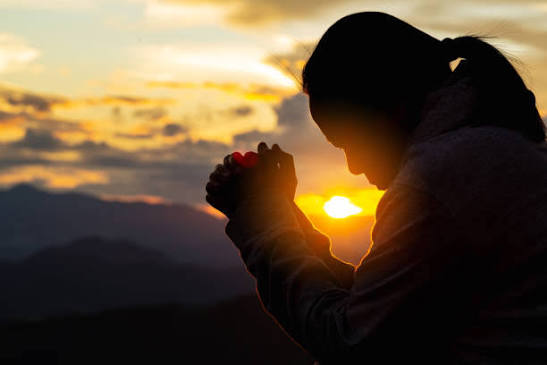
Of these four, prayer deserves particular attention. Luke 18:1 records that we ought always to pray and not give up. Not occasionally. Not when things get difficult. Always. Philippians 4:6 reminds us not to be anxious about anything, but in every situation, to bring our requests to God with thanksgiving — and the peace of God, which surpasses all understanding, will guard our hearts and minds.
Jeremiah 33:3 captures it simply and powerfully: God invites us to call on him, and he will answer and show us great and unsearchable things we do not know. Prayer is not a last resort. It is the first line of infrastructure. It is the road and the bridge. It is the water supply. It is the power grid. Without it, everything else in the kingdom life becomes unstable.
Prayer does four essential things. It develops intimacy with God, drawing us into a personal relationship that no amount of church attendance can substitute for. It provides direction, giving us wisdom before we make decisions rather than asking for forgiveness after we make the wrong ones. It strengthens our dependency on God, reminding us that unlike our children whom we raise toward independence, God never wants us to outgrow our need for him. And finally, prayer aligns our desires with his will — taking the raw, sometimes unruly energy of our personal ambitions and shaping them into something that fits within the purposes of God.
Seek First the Kingdom
Matthew 6:33 is not a passive promise. It is a conditional one. Seek first the kingdom of God and his righteousness, and all these things will be added to you. The addition comes after the seeking. The favor comes after the faithfulness. The provision comes after the priority is set correctly.
The floods will come. They always do. The question worth sitting with today is this: what kind of foundation are you building on, and is the infrastructure of your spiritual life strong enough to hold when the water rises?
Build on the rock. The storm is coming either way.
Sign up for free class
It’s easy and free!